
Skylight installation in Yelm, WA
Brighten Dark Rooms With Expert Skylight Installation
Western Washington’s gray months make daylight precious. A well-placed skylight can brighten a dark hallway, kitchen or bathroom far more than a wall window of the same size. NW Window Installations installs new skylights and replaces old, leaking or fogged ones for homes throughout Yelm and the South Puget Sound.
Because they face the open sky, skylights capture light from overhead all day long, even on overcast days, and spread it evenly across a room. That natural light can make interior spaces feel larger and more inviting, reduce the need for electric lighting during the day, and help lift the mood during our long, dim winters. Venting skylights add another benefit, letting heat and humidity escape from kitchens and bathrooms.
Of course, a skylight is also a hole in your roof, and in a climate this wet, installation quality is everything. With more than 25 years of experience, our team plans each skylight around your roof, attic framing and the room below, then flashes and seals it to stay dry for the life of the roof. Whether you’re adding daylight to a dark room or replacing a skylight that’s leaking, we’ll help you choose the right type and size and install it the right way.
Skylight condensation: leak or moisture?
Water dripping from a skylight in winter isn’t always a roof leak. Often it’s condensation. When warm, humid indoor air rises and meets the cold glass, moisture forms on the inside surface and can run down the light shaft, leaving stains that look just like a leak. Bathrooms, kitchens and homes with lots of indoor humidity are most prone to it.
There are a few ways to tell the difference. Condensation tends to appear on cold mornings regardless of rain, while a true leak shows up during or right after heavy rain or snowmelt. Condensation forms evenly across the glass; a leak usually appears at one corner or edge.
Reducing condensation starts with controlling indoor humidity: run bathroom and kitchen exhaust fans, and use a venting skylight in high-moisture rooms. An insulated, air-sealed light shaft keeps the shaft walls warmer, and a modern skylight with insulated Low-E glass keeps the interior surface warmer than an old single-pane or plastic dome. If you’re not sure what’s causing the water, we’ll inspect it and tell you.
Get Your Free Skylight Installation Proposal
Ready to upgrade your windows or doors? Request your free, no-obligation quote today, or call us at (360) 789-9309 to talk with our team.
Planning your skylight: roof, attic and light shaft
In a room with a vaulted or cathedral ceiling, the skylight sits directly in the ceiling plane and light comes straight in. In rooms with a flat ceiling and an attic above, light has to travel through a light shaft, a framed and drywalled tunnel that connects the roof opening to the ceiling. The shape of that shaft makes a big difference. A straight shaft is simplest, while a flared or angled shaft that widens toward the ceiling spreads light over a much larger area of the room.
We’ll also look at what’s in the way. Rafters or trusses may need to be headered off or worked around, and plumbing vents, ductwork or wiring in the attic can affect placement. Truss roofs have limits on how framing can be modified, which is one reason tubular skylights are so popular: their small tubes fit between framing members and can bend around attic obstacles.
Roof pitch and material matter too, since they determine which flashing kit and mounting style we use. During our site visit, we check the roof, the attic and the room below together, so the skylight we recommend fits your home structurally and delivers light exactly where you want it.
What affects the cost of a skylight?
Skylight projects vary widely, so we price every job individually. The type of skylight is the biggest factor. Tubular skylights are generally the most affordable and quickest to install, fixed skylights are next, and venting skylights cost more, especially solar or electric models with remote controls and rain sensors.
The scope of work matters just as much. Replacing an existing skylight in the same opening is usually simpler than adding a new one, which means cutting the roof, framing the opening and building a finished light shaft. Longer or flared shafts, vaulted versus attic installations, roof pitch and roofing material all affect labor. Add-ons such as blinds, shades, laminated or tinted glass will also change the price. Coordinating a skylight replacement with a new roof can save money, since the roofing around the unit is already being replaced. We provide a free on-site estimate so you know exactly what’s involved.
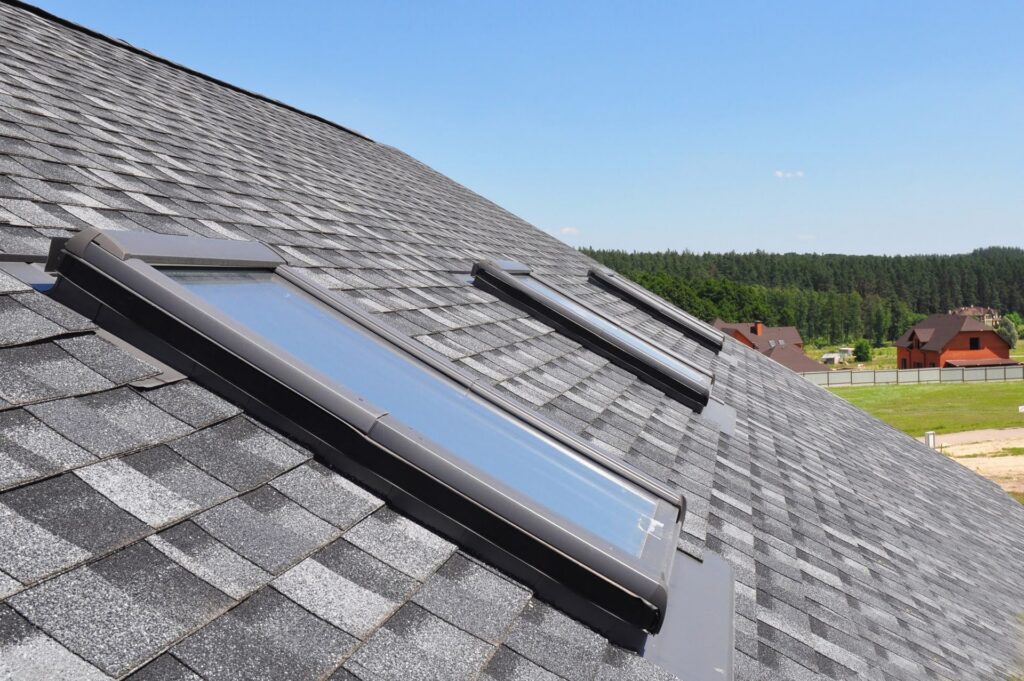
Skylight Installation - FAQS
Do skylights always leak eventually?
No. Leaks almost always trace back to poor flashing or aging seals. A properly flashed modern skylight should stay dry for the life of the roof.
Can you replace a skylight without replacing the roof?
Yes. We remove shingles around the unit, install new flashing, and reweave the roofing.
Are tubular skylights worth it?
For small or interior spaces, yes. They're quick to install and deliver surprising light without major framing changes.
Will a skylight make my room hot in summer?
Low-E glass, smart placement and shades or venting models keep heat gain manageable.
How long does skylight installation take?
Most replacements and tubular skylights take a day; a new skylight with a framed light shaft may take longer.
Why is my skylight dripping when it isn't raining?
That's almost always condensation. Warm, humid indoor air is condensing on the cold glass. Running exhaust fans, lowering indoor humidity and upgrading to an insulated, Low-E skylight with a sealed light shaft all help.
Should I replace my skylight when I replace my roof?
In most cases, yes. If your skylight is more than a decade or two old, replacing it along with the roof means new flashing integrated with new roofing, and you avoid disturbing new shingles later to replace an aging unit.
What's the best skylight for a bathroom?
A venting skylight is ideal for bathrooms because it lets steam and humidity escape, helping prevent mold and condensation. Frosted or textured glass and built-in shades add privacy.
What's the difference between a curb-mounted and deck-mounted skylight?
A curb-mounted skylight sits on a raised wood frame built on the roof, which is common when replacing older units. A deck-mounted skylight attaches directly to the roof deck with integrated flashing for a lower, sleeker profile. We'll recommend the right type for your roof.
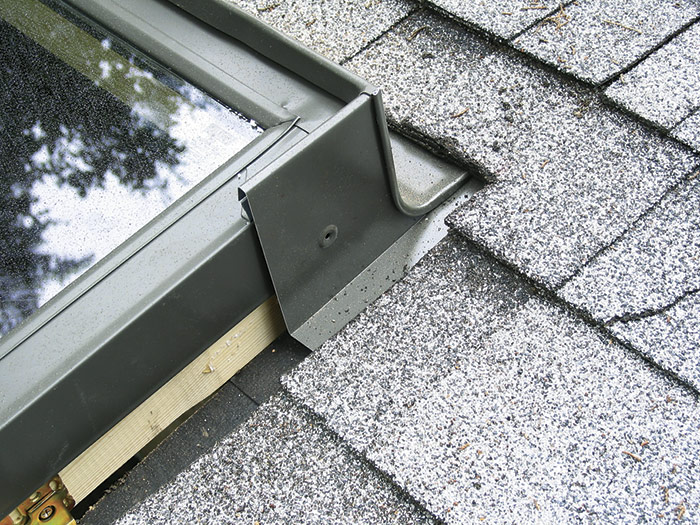
Flashing is everything in the Northwest
Most skylight “leaks” aren’t the glass at all. They come from failed or improperly installed flashing, the metal and membrane system that directs water around the skylight and down the roof. On a pitched roof in the Northwest, that flashing handles a huge volume of rain every year, so every layer has to overlap in the right order, like shingles, so water is always shed downhill and never trapped.
We install skylights using the manufacturer’s flashing kit designed for your specific roof type, whether asphalt shingle, metal or tile. We add self-adhering underlayment around the opening, integrate the flashing with your existing roofing so water flows over it rather than under it, and keep the unit away from valleys and other spots where water concentrates. Inside, we frame and insulate the light shaft and seal it against air leaks. That last step matters more than most people realize: warm, moist indoor air that reaches the cold skylight is the main cause of interior condensation that gets mistaken for a leak.
The result is a skylight that stays dry, efficient and trouble-free. A cut corner here doesn’t show up on installation day. It shows up as a ceiling stain two winters later.
Areas We Serve NEAR Yelm
Yelm, Rainier, Roy, McKenna, Tenino, Lacey, Olympia, Tumwater and communities throughout Thurston, Pierce, Lewis, Mason and Grays Harbor counties.